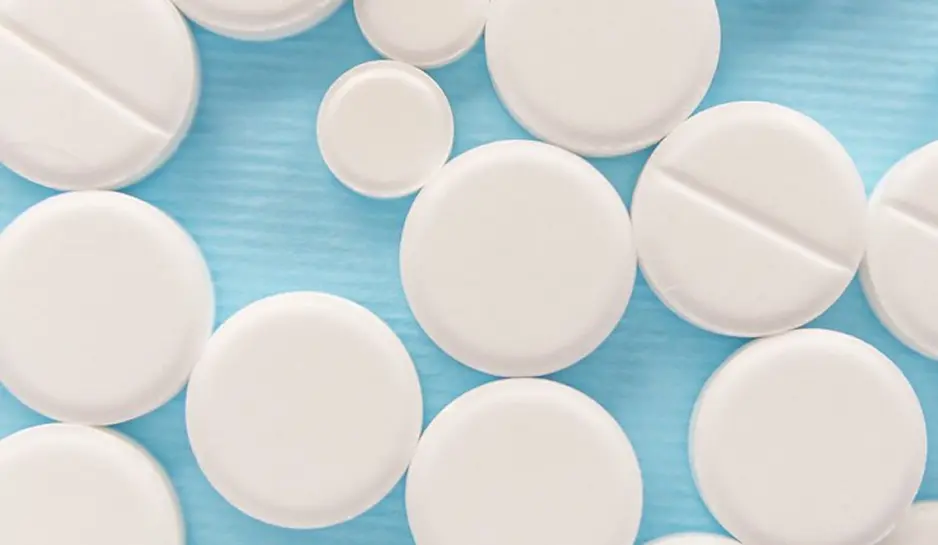
Doreta - (IR): composition and pharmaceutical form
Doreta - (IR) is a combination painkiller in film-coated tablets. One tablet contains 37.5 mg of tramadol hydrochloride, equivalent to 32.94 mg of tramadol, and 325 mg of paracetamol.
The tablet is swallowed whole with liquid; it must not be broken or chewed. The sodium in one dose is below 1 mmol (23 mg), so the medicine is considered essentially sodium-free.
How Doreta - (IR) works
Tramadol is a centrally acting opioid analgesic, a pure non-selective agonist of the µ, δ and κ opioid receptors with the greatest affinity for the µ receptors. Inhibition of noradrenaline reuptake and enhanced serotonin release make an additional contribution to the analgesia. Its potency is considered to be between one tenth and one sixth that of morphine; it also has an antitussive action.
Unlike morphine, tramadol across a wide range of analgesic doses does not depress respiration or alter intestinal peristalsis, and its cardiovascular effect is usually slight. The exact mechanism of the analgesic effect of paracetamol is unknown and may involve central and peripheral effects. Under the World Health Organization classification this combination belongs to the second step of the analgesic ladder and is prescribed by a doctor.
Indications
The medicine is used for the symptomatic treatment of moderate and severe pain.
Prescribing is limited to patients who need precisely the combination of tramadol and paracetamol to relieve such pain. If the pain is relieved by a single non-opioid analgesic, the combination product is not needed.
Method of use and dosage
The dose is matched to the intensity of the pain and to individual pain sensitivity, using the lowest effective dose. For adults and adolescents from 12 years the recommended starting dose is 2 tablets; further doses may be taken if needed, but no more than 8 tablets a day, which corresponds to 300 mg of tramadol hydrochloride and 2600 mg of paracetamol. The interval between doses is at least 6 hours. In children under 12 the medicine is not recommended: efficacy and safety in them have not been established. It should not be taken for longer than is absolutely necessary.
| Patient group | Dosing particulars |
|---|---|
| Patients under 75 with no signs of hepatic or renal impairment | Dose adjustment is usually not needed |
| Patients over 75 | Elimination of tramadol may slow down — the intervals between doses are lengthened if needed |
| Renal impairment | The interval is lengthened; with creatinine clearance below 10 ml/min the medicine is not recommended |
| Impaired liver function | The interval is lengthened; in severe impairment the medicine is not used because of the paracetamol |
Treatment goals and how it ends
Before therapy begins the doctor and the patient agree a strategy: its length, the goals and the plan for finishing. During treatment they stay in frequent contact so as to judge whether it should continue, whether it is worth pausing and whether the dose needs changing. When tramadol is no longer needed the dose is lowered gradually — that prevents withdrawal symptoms. If the pain stops being controlled, the doctor considers hyperalgesia, the development of tolerance and progression of the underlying disease.
Contraindications
The medicine is not prescribed in the following cases:
- hypersensitivity to the active substances or excipients;
- acute poisoning with alcohol, hypnotics, centrally acting analgesics, opioids or psychotropic agents;
- treatment with MAO inhibitors, and also the first two weeks after it ends;
- severe impairment of liver function;
- epilepsy not controlled by medicines.
Special warnings and precautions
The main risk in self-medication is unintentional paracetamol overdose, so the dose must not be exceeded and other products with paracetamol or tramadol, including over-the-counter ones, are taken only after consulting a doctor. The risk of liver damage is higher in alcoholic liver disease without cirrhosis. The combination of paracetamol with flucloxacillin deserves separate attention: it raises the risk of high anion gap metabolic acidosis, especially in severe renal failure, sepsis, malnutrition and chronic alcoholism.
- repeated use of opioids leads to tolerance, physical and psychological dependence and opioid use disorder; the risk is higher with large doses, prolonged treatment, with dependence on psychoactive substances in the patient or their relatives, with smoking and with other mental disorders;
- the doctor watches for signs of drug-seeking and where necessary involves an addiction specialist; withdrawal symptoms are possible even after a short course of therapeutic doses, so the dose is lowered gradually at the end of the course;
- opioids cause sleep-related breathing disorders, including central sleep apnoea and hypoxaemia, and the risk grows with the dose; if apnoea is found, the total opioid dose is reduced;
- concomitant use with benzodiazepines and similar medicines may lead to profound sedation, respiratory depression, coma and death; such a combination is left only for cases where there are no other options, at the minimum dose and for the minimum time;
- serotonin syndrome has been described — a life-threatening state with altered mental status, autonomic instability and neuromuscular and gastrointestinal disturbances; where it is suspected the dose is lowered or treatment stopped;
- tramadol may provoke seizures in predisposed people and alongside medicines that lower the seizure threshold — SSRIs, tricyclic antidepressants, antipsychotics, centrally acting analgesics and local anaesthetics; in controlled epilepsy it is used only in exceptional cases;
- tramadol is metabolised by the CYP2D6 enzyme: where this is deficient, which occurs in about 7% of Caucasians, there may be no analgesia, while in ultra-rapid metabolism even usual doses produce signs of opioid toxicity — confusion, drowsiness, shallow breathing, constricted pupils, vomiting and constipation and, in severe cases, respiratory and circulatory depression;
- opioid analgesics sometimes cause transient adrenal insufficiency: abdominal pain, vomiting, low blood pressure, marked fatigue, loss of appetite and weight — the condition requires replacement therapy with glucocorticoids.
Caution is needed after a head injury, in biliary tract disease, in shock, with disturbances of consciousness of unclear origin, in respiratory disorders and with raised intracranial pressure; in severe respiratory failure the medicine is not recommended. Tramadol is unsuitable as substitution therapy in opioid-dependent people: it does not relieve morphine withdrawal symptoms. In a study with general anaesthesia using enflurane and nitrous oxide tramadol increased the risk of awareness during surgery, so its use in light anaesthesia is not indicated. Tramadol causes drowsiness and dizziness, which are intensified by alcohol and other agents depressing the nervous system: with such symptoms you must not drive or operate machinery. In children who have had their tonsils removed for sleep apnoea tramadol is prescribed with extreme caution — rare but life-threatening reactions have been described.
Drug interactions
Combination with MAO inhibitors — non-selective, selective MAO-A and MAO-B — is contraindicated: serotonin syndrome is possible, with diarrhoea, tachycardia, profuse sweating, tremor and disorientation up to coma; after MAO inhibitors are withdrawn two weeks are allowed. Combinations are not recommended with alcohol, which enhances the sedative effect of opioids, with carbamazepine and other enzyme inducers, which lower the concentration of tramadol and shorten its action, or with agonist-antagonist opioids — buprenorphine, nalbuphine, pentazocine — which weaken the analgesia and may cause a withdrawal syndrome.
The risk of seizures and of serotonin toxicity is raised by SSRIs, serotonin and noradrenaline reuptake inhibitors, tricyclic antidepressants, antipsychotics, mirtazapine and bupropion. Other opioids, including antitussives and substitution medicines, benzodiazepines and barbiturates increase the risk of respiratory depression, fatal in overdose, and other central nervous system depressants intensify sedation. With coumarin derivatives, for example warfarin, the medicine is combined cautiously: cases of a rise in INR with serious bleeding and bruising have been described. Ondansetron given before and after surgery increased the need for tramadol in patients with postoperative pain.
Pregnancy and breastfeeding
The medicine should not be used during pregnancy. The large body of data on paracetamol in pregnant women does not indicate malformations or toxicity for the foetus and the newborn, although the conclusions of epidemiological studies on nervous system development in children exposed in utero are not unequivocal. Data on the safety of tramadol in pregnancy are insufficient. Tramadol given before and during labour does not affect uterine contractility, but changes in the respiratory rate are possible in the newborn, usually of no clinical significance; prolonged use during pregnancy may lead to a withdrawal syndrome in the child after birth.
During breastfeeding the medicine should not be used; if treatment is necessary, feeding is interrupted. Paracetamol passes into milk in clinically insignificant amounts. About 0.1% of the tramadol dose taken by the mother is excreted in milk: with an intake of up to 400 mg a day the child receives roughly 3% of the maternal weight-adjusted dose. After a single dose, interrupting feeding is usually not required. Post-marketing data and animal studies do not indicate an effect of tramadol on fertility; for the combination of tramadol with paracetamol such studies have not been carried out.
Adverse effects
In clinical trials of the tramadol and paracetamol combination the most frequent were nausea, dizziness and drowsiness — in more than 10% of patients.
- very common — dizziness, drowsiness, nausea;
- common — headache, tremor, confusion, mood changes with restlessness, nervousness or euphoria, sleep disorders;
- common — vomiting, constipation, dry mouth, diarrhoea, abdominal pain, dyspepsia, flatulence, increased sweating, itching;
- uncommon — depression, hallucinations, nightmares, amnesia, involuntary muscle contractions, paraesthesia, tinnitus;
- uncommon — palpitations, tachycardia, arrhythmia, raised blood pressure, hot flushes, breathlessness, dysphagia, tarry stools;
- uncommon — urinary disorders up to retention, albuminuria, chills, chest pain, increased aminotransferase activity, skin reactions: rash and urticaria;
- rare — ataxia, seizures, fainting, speech disorders, blurred vision, constricted or dilated pupils, delirium, drug dependence;
- rare for tramadol — allergic reactions with breathlessness, bronchospasm, wheezing and angioedema, anaphylaxis, respiratory depression, muscle weakness, orthostatic hypotension, bradycardia and collapse.
Repeated use of the medicine may lead to dependence even at therapeutic doses, and the risk depends on individual factors, the dose and the length of treatment. Abrupt discontinuation causes withdrawal symptoms: agitation, anxiety, nervousness, insomnia, hyperkinesia, tremor and digestive disturbances. Adverse reactions to paracetamol are rare, but rash and other manifestations of hypersensitivity, changes in blood composition and very rarely severe skin reactions are possible.
Overdose
In an overdose, signs of poisoning with tramadol, with paracetamol or with both substances are possible. Tramadol poisoning resembles poisoning with other opioids: constricted pupils, vomiting, vascular collapse, disturbances of consciousness up to coma, seizures and respiratory depression up to arrest. In paracetamol overdose the first 24 hours bring pallor, nausea, vomiting, loss of appetite and abdominal pain, while signs of liver damage appear after 12–48 hours; disturbances of glucose metabolism and metabolic acidosis are possible and, in severe poisoning, liver failure with encephalopathy, coma and a fatal outcome, as well as acute renal failure. Liver damage in adults is possible after taking 7.5–10 g of paracetamol or more, and overdose is especially dangerous for small children.
The patient is taken to hospital immediately, even if there are no obvious early symptoms. Breathing and circulation are supported, blood is taken to determine paracetamol and tramadol concentrations and liver tests, which are repeated every 24 hours, and the stomach is emptied. The antidote for respiratory depression is naloxone and diazepam is used for seizures; haemodialysis and haemofiltration remove tramadol only minimally and are unsuitable for detoxification. In paracetamol poisoning immediate treatment is decisive: the concentration is measured 4 hours after intake, and intravenous N-acetylcysteine or oral methionine is given as early as possible, preferably within the first 8 hours.
How to get a prescription for Doreta - (IR) online
The combination of tramadol with paracetamol is a prescription-only medicine: the doctor assesses the nature of the pain, the state of the liver and kidneys, the medicines being taken and the risk of dependence.
During the online consultation the doctor will discuss with you the dosing scheme, the acceptable length of the course and the plan for finishing treatment and, if there are no contraindications, issue an electronic prescription — the medicine can be collected at a pharmacy with its code.